
How does the role of social media impact the self image of teenage girls?
Due to the overuse of social media platforms such as Facebook, Twitter, Snapchat, and Instagram, many researchers have conducted studies to examine these platforms effects. Previous research has indicated an association between social media use and body dissatisfaction in mostly females. However, a research question that will be discussed in this paper is “How does the role of social media impact the self image of teenage girls.” We decided on teenage, and more specifically, girls ages 13-19, because it is an essential time period where things like hormonal changes, new academic and social challenges, and emotional volatility take place. In other words, it is an equally important period of rapid development.
As the use of social media continues to become more and more popular in today’s society, its effects are extensively questioned. For the reason that social media has advanced greatly over the years, it has given us readily access to not only news and entertainment, but the opportunity to access others online as well. Unlike previous research that was conducted on social media and its effects, this one focuses only on teenage girls. What’s also new about this approach is that it also focuses on how teenage girls view beauty trends from different countries around the world, and the overlapping data from these countries, the actual body max index (BMI) versus the expected BMI of teenage girls and their relationship with their family and friends.
A social media platform such as Instagram, is the top social media platform as of today, with over one billion active users (Cole, 2018., PG.1). One of the key characteristics of Instagram is to post pictures of oneself, where others can can like and comment on their post and even share it with others. Facebook is another similar platform, but has been around for a longer period of time. Facebook is similar to Instagram and also allows for users to post pictures and comments and even update their status. The characteristics of these platforms can have an effect on the way teenage girls view their body. For instance if a teenage girl is to post a picture of herself, a minimum amount of likes on her picture can affect the way she views herself or if someone was to leave a negative comment on her picture, it will begin to negatively affect her self esteem. In an article called, “How Facebook Makes Us Unhappy” by Maria Konnikova, the author talks about how seeing posts of someone else online can cause others to become jealous and make them feel the need to be on someone else’s level of beauty and size. Often times when teenagesrs see pictures of others and see the amount of likes that they receive, it can turn into psychological stress- with the constant battle of asking oneself if “I’m good enough” or “I have to do better.” Social media is causing more harm to teenagers mental well being than good (Konnikova, 2013).
The research question, “How does the role of social media impact the self image of teenage girls” is also essential because once that question is answered, new solutions and ideas can come into light and can decrease the statistics of these effects. Perhaps come up with a feature that hides the amount of likes a person receives on their post, on these social media platforms. Hiding the amount of likes a person receives can take away from making teenagers compare themselves to each other and it can also help remind them that a number is just a number and should not determine how attractive they are. Aside from likes, posting pictures on social media can cause females to overthink their appearance based on what types of comments they receive on their pictures, thus, causing them to develop a negative sense of body image. When conducting this research, the first aim of the study would be to determine how often teenage girls spend their time on social media and what social media platforms they use. The second aim of the study would be to determine how teenage girls feel about their body image.
In terms of studies on how the role of social media impacts self image of teenage girls, there are many studies done on how it affects adolescent girls or how it affects women. One article that involves adolescent girls is Girls feeling good at school: School gender environment, internalization and awareness of socio-cultural attitudes associations with self-esteem in adolescent girls. This article discusses the difference in self esteem between girls in co-educational schools and girls in single sex schools. Two -hundred and twelve girls around the age of 13 were studied. It was found that girls in co-educational schools were more likely to have lower self esteem than girls in single sex schools (Cribb, & Haase. (2016). Girls feeling good at school: School gender environment, internalization and awareness of socio-cultural attitudes associations with self-esteem in adolescent girls. Journal of Adolescence,46, 107-114). This could possibly have happened due to the pressure that girls have to be beautiful especially around boys. Relying on articles on adolescent girls can be helpful due to the limited amount of articles on teenage girls. This research question is different because it can help expand on the research there is for teenage girls. Teenage years are a time with a lot of changes and phases. By trying to find more information on this age group, differences could be recorded such as how each age range reacts and how willing they are to fight against pressures of beauty standards. Research on this topic can also be helpful in terms of development of the brain. This is because researchers can discover if a certain stage of development will change or affect how adolescent or teenage girls will react. This information can be useful in order to help treat low self-esteem or negative self image in girls. By studying the differences between adolescent girls and teenagers, researchers can treat any girl that has problems with their appearance and can help prevent any of these issues with future generations.
Researching specifically about how social media can affect teenage girls self image also makes this study different. Most articles have to do with body image which ties in with dieting. Global Self-Esteem, Appearance Satisfaction, and Self-Reported Dieting in Early Adolescence discusses 130 first born european girls and the correlation between the satisfaction with their body weight at age 10 and how likely they are to diet later on. When adolescent girls were not satisfied, they were more likely to have low self-esteem and as a result would diet at a higher rate at the age of 14 compared to girls who were satisfied with their bodies ( Barker, E., & Bornstein, M. (2010). Global Self-Esteem, Appearance Satisfaction, and Self-Reported Dieting in Early Adolescence. Journal Of Early Adolescence, 30(2), 205-224.). This research also explores dieting compared to eating problems within the girls as well. Girls that had a lower self esteem were more likely to develop eating problems/ disorders. This information is useful to help learn what makes girls develop a low self esteem specifically and the consequences of it.
There are articles discussing social media and how it does affect adolescent girls, but it is not at a high volume. A reason this could be true is because social media is a relatively new topic within research. There are still studies being done to help others understand how social media will affect people overall, including pre-teens and teens. the correlation between self-image and social media is what makes this This research can improve upon current studies by expanding on how it happens and how negative self-image can be lessened. Research on social media can improve our understanding on whether or not social media directly affects teenagers self esteem or if it is just what they decide to follow or post that affects their self image. This information is important to know in order to figure out why it affects girls self image so much.
Method
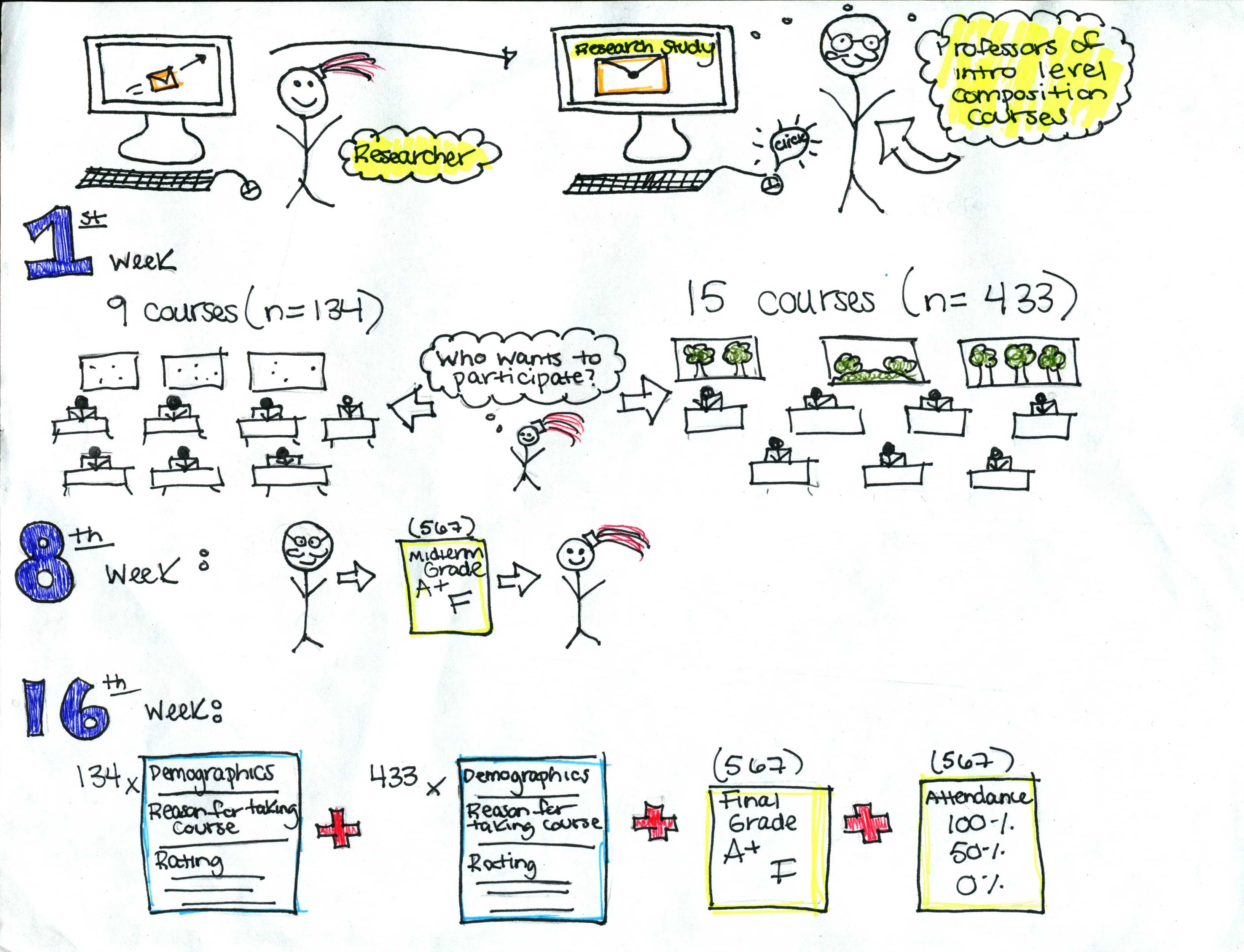
We will test our ideas by conducting a voluntary survey of 30 questions. The survey will be displayed on a laptop or desktop computer. A total of 45 participants will be recruited randomly through social media platforms such as Instagram and Snapchat. Participants wouldn’t receive any compensation for their voluntary act. The sample will include teenaged female participants. Their ages will range from 13-19. There will also be a consent form from a parent or legal guardian regarding their child’s permission to participate in the study for those who are aged 18 and under.
Social Media and Self Image of Teenage Girls
Welcome to our research survey!
We are intrigued to understand the relation of how social media impacts the self image of teenage girls. You will be be presented with questions relevant to social media and body image. If you are under the age of 18, be sure to complete the consent form from a parent or legal guardian prior to this survey. Please be assured that this study may contain personal information, however your responses will be kept completely confidential. Also, your participation is completely voluntary and will be able to withdraw from the study at any point, for any reason.
oI consent, begin the study (1)
oI do not consent, I do not wish to participate (2)
Q1 What is your gender (as you identify)?
oMale (1)
oFemale (2)
oOther (please specify) (3) ________________________________________________
Q2 What is your age? (in whole years)
________________________________________________________________
Q3 What is your highest level of education?
oHighschool (1)
oSome college (Specify what year) (2) ________________________________________________
oCollege degree (3)
oOther (Please specify) (4) ________________________________________________
Q4 Please specify your ethnicity.
oWhite (1)
oHispanic or Latino (2)
oBlack or African American (3)
oNative American or American Indian (4)
oAsian/ Pacific Islander (5)
oOther (6) ________________________________________________
Q5 Which social media do you use weekly?
▢ Facebook (1)
▢ Instagram (2)
▢ Snapchat (3)
▢ Twitter (4)
▢ Tumblr (5)
Q6 Which best describes how many hours a day you spend on social media.
oLess than 1 hour (1)
o1-2 hours (2)
o3-4 hours (3)
o5-6 hours (4)
o7-8 hours (5)
o9-10 hours (6)
o10+ hours (7)
Q7 Which of following BEST describes why you use social media?
oEntertainment (1)
oTo view others page/ see what they are doing (2)
oTo share my photos or videos (3)
oTo communicate with others (4)
oTo update others on what I’m doing (5)
Q8 Social media takes up most of your time.
oStrongly disagree (1)
oDiagree (2)
oSomewhat disagree (3)
oNeither agee nor disagree (4)
oSomewhat agree (5)
oAgree (6)
oStrongly agree (7)
Q9 How often do you post pictures on social media?
oDaily (1)
oWeekly (2)
oMonthly (3)
Q10 How many pictures do you take before selecting one to post on social media?
o1-2 (1)
oAround 5 (2)
o10 + (3)
Q11 How long can you stay off of social media?
oLess than an hour (1)
o1-2 hours (2)
oAround 5 hours (3)
oMore than 5 hours (4)
oAn entire day (5)
Q12 I care about how many “likes” I get on my pictures on social media.
oStrongly disagree (1)
oDisagree (2)
oSomewhat disagree (3)
oNeither agree nor disagree (4)
oSomewhat agree (5)
oAgree (6)
oStrongly agree (7)
Q13 I photoshop or alter my pictures and then post it on social media.
oStrongly disagree (1)
oDisagree (2)
oSomewhat disagree (3)
oNeither agree nor disagree (4)
oSomewhat agree (5)
oAgree (6)
oStrongly agree (7)
Q14 I spend much time looking at other people’s photos on social media.
ostrongly disagree (1)
oDisagree (2)
oSomewhat disagree (3)
oNeither agree nor disagree (4)
oSomewhat agree (5)
oAgree (6)
oStrongly agree (7)
Q15 I am jealous of other people that I see on social media.
ostrongly disagree (1)
oDisagree (2)
oSomewhat disagree (3)
oNeither agree nor disagree (4)
oSomewhat agree (5)
oAgree (6)
oStrongly agree (7)
Q16 Seeing other people on social media makes me want to alter my body image.
ostrongly disagree (1)
oDisagree (2)
oSomewhat disagree (3)
oNeither agree nor disagree (4)
oSomewhat agree (5)
oAgree (6)
oStrongly agree (7)
Q17 I compare my body to celebrities’ bodies that I see on social media.
ostrongly disagree (1)
oDisagree (2)
oSomewhat disagree (3)
oNeither agree nor disagree (4)
oSomewhat agree (5)
oAgree (6)
oStrongly agree (7)
Q18 I am confident about my physical appearance.
ostrongly disagree (1)
oDisagree (2)
oSomewhat disagree (3)
oNeither agree nor disagree (4)
oSomewhat agree (5)
oAgree (6)
oStrongly agree (7)
Q19 I feel like I am being judged by the way I look on social media.
ostrongly disagree (1)
oDisagree (2)
oSomewhat disagree (3)
oNeither agree nor disagree (4)
oSomewhat agree (5)
oAgree (6)
oStrongly agree (7)
Q20 I have a positive sense of body image.
ostrongly disagree (1)
oDisagree (2)
oSomewhat disagree (3)
oNeither agree nor disagree (4)
oSomewhat agree (5)
oAgree (6)
oStrongly agree (7)
Q21 I am satisfied with my weight.
oStrongly disagree (1)
oDisagree (2)
oSomewhat disagree (3)
oNeither agree nor disagree (4)
oSomewhat agree (5)
oAgree (6)
oStrongly agree (7)
Q22 I try to change how I look based on people I see on social media.
oStrongly disagree (1)
oDisagree (2)
oSomewhat disagree (3)
oNeither agree nor disagree (4)
oSomewhat agree (5)
oAgree (6)
oStrongly agree (7)
Q23 When I do not get comments on my pictures on social media, I overthink about my appearance.
oStrongly disagree (1)
oDisagree (2)
oSomewhat disagree (3)
oNeither agree nor disagree (4)
oSomewhat agree (5)
oAgree (6)
oStrongly agree (7)
Q24 I feel more confident when receiving messages from people complimenting me on my pictures.
oStrongly disagree (1)
oDisagree (2)
oSomewhat disagree (3)
oNeither agree nor disagree (4)
oSomewhat agree (5)
oAgree (6)
oStrongly agree (7)
Q25 I feel pressured to look or behave in a certain way.
oStrongly disagree (1)
oDisagree (2)
oSomewhat disagree (3)
oNeither agree nor disagree (4)
oSomewhat agree (5)
oAgree (6)
oStrongly agree (7)
Q26 I “untag” photos when I do not like how I look in them.
oStrongly disagree (1)
oDisagree (2)
oSomewhat disagree (3)
oNeither agree nor disagree (4)
oSomewhat agree (5)
oAgree (6)
oStrongly agree (7)
Q27 Right now, I feel that I look
oWorse than the average person (1)
oSomewhat worse than the average person (2)
oAbout the same as the average person looks (3)
oSlightly better than the average person (4)
oBetter than the average person (5)
Q28 I feel pressure from social media to look good
ostrongly disagree (1)
oDisagree (2)
oSomewhat disagree (3)
oNeither agree nor disagree (4)
oSomewhat agree (5)
oAgree (6)
oStrongly agree (7)
Q29 I do not feel confident when posting pictures on social media.
ostrongly disagree (1)
oDisagree (2)
oSomewhat disagree (3)
oNeither agree nor disagree (4)
oSomewhat agree (5)
oAgree (6)
oStrongly agree (7)
Q30 Being on social media makes me feel better about myself
ostrongly disagree (1)
oDisagree (2)
oSomewhat disagree (3)
oNeither agree nor disagree (4)
oSomewhat agree (5)
oAgree (6)
oStrongly agree (7)
- End of study, thank you!
Statistics & Prediction
In order to successfully idealize our results and decide what kind of statistics would be needed to compute them, one must take a look at the research that already exists. This is helpful to see past outcomes of previously done studies that are similar or have similar ideas and goals to this paper. This will help develop a sense of common outcomes if there are any, as well as the types of statistics researchers have used and which were the most helpful. This research, which would be looking at the outcomes of prolonged usage of social media and its lasting impact on the self-image of teenage girls, can have many different results based on the country where they were performed, the prevalence of social media as well as focus on it in the particular place, most definitely age, and more.
The first source we looked at was a 2004 study exploring the differences in appearance satisfaction across 15/16 year old boys and girls. It compiled a total of 6 cross sectional studies, finding a more severe decline in appearance satisfaction among girls (Alm & Låftman, 2004). A cross sectional study is when a specific outcome is recorded among all participants at the same point in time (Setia, 2016). This is a good way to receive the results of our study, because cross sectional designs are used to record the data of a population, in our case teenage girls.
Another study we looked at had the goal of finding a link between self-esteem and body image in girl athletes and nonathletes. The researchers formulated a survey for the 12-14 year old girls, which was made by Coopersmith (1967) as well as the Body Cathexis Scale made by Secord and Jourard (1953). They found that the results showed a significance (p<0.05) of a stronger relationship between the body image and self esteem of the girls who played sports and the non athlete (Dorak, 2011). This study is another example of usage of a survey, which helped the researchers find significant results.
In another study where researchers took a look at the difference in self esteem and body image among 13-15 year old girls school environments, namely single sex and co-educational schools, they used a cross sectional data such as a questionnaire and the Rosenburg self-esteem scale to gather data (Cribb & Haase, 2016). The results of this study were that the girls in the co-educational schools were more likely to report a lower self esteem due to factors like greater internalization around their peers. Statistics of this study showed great significance in the levels of internalization between the two types of schools (t(1,209) = 2.52, p = 0.01) (Cribb & Haase, 2016). In our study, we would also be using a questionnaire, so it is helpful to see that results obtained using one were in fact significant.
For the outcome of our research, we would take into account all of the articles we used as sources to compare the data previously gathered, as well as to make our own predictions. When looking at outside data, we are more likely to predict that social media has a lasting negative effect on teenage girls. This is a plausible prediction due to the exposure and the content that is pushed into the faces and minds of teenage girls, namely surrounding their image. Many of the studies we looked at centered around these types of results, but we would want to take it further and find out even more about the lasting impact, ramifications, if it can be fixed or helped, and more. As shown in table 2 from Cribb & Haase’s study, the results are similar as to what would be expected of our study,

The types of statistics we would most likely choose to run on this study would include chi-square tests as well as t-tests if we were to compare two categories, such as age and self-esteem.
Works Cited
Alm, S., & Låftman, S. (2018). The Gendered Mirror on the Wall: Satisfaction with Physical
Appearance and Its Relationship to Global Self-esteem and Psychosomatic Complaints Among Adolescent Boys and Girls. Young,26(5), 525-541.
Barker, E., & Bornstein, M. (2010). Global Self-Esteem, Appearance Satisfaction, and
Self-Reported Dieting in Early Adolescence. Journal Of Early Adolescence, 30(2), 205-224.
Cribb, & Haase. (2016). Girls feeling good at school: School gender environment, internalization
and awareness of socio-cultural attitudes associations with self-esteem in adolescent girls. Journal of Adolescence,46, 107-114.
Dohnt, H., Tiggemann, M., & García Coll, Cynthia. (2006). The Contribution of Peer and Media
Influences to the Development of Body Satisfaction and Self-Esteem in Young Girls: A Prospective Study. Developmental Psychology, 42(5), 929-936
Dorak, F. (2011). SELF-ESTEEM AND BODY IMAGE OF TURKISH ADOLESCENT GIRLS.
Social Behavior and Personality, 39(4), 553-561.
Konnikova, M., & Konnikova, M. (2017, June 19). How Facebook Makes Us Unhappy.
Retrieved from
https://www.newyorker.com/tech/annals-of-technology/how-facebook-makes-us-unhappy
Kutob, R., Sent, J., Crago, M., & Shisslak, C. (2010). Concurrent and Longitudinal Predictors of
Self-Esteem in Elementary and Middle School Girls. The Journal of School Health, 80(5),
240.
Romo, L., Mireles-Rios, R., & Hurtado, A. (2016). Cultural, Media, and Peer Influences on
Body Beauty Perceptions of Mexican American Adolescent Girls. Journal of Adolescent
Research, 31(4), 474-501.
Setia M. S. (2016). Methodology Series Module 3: Cross-sectional Studies. Indian journal of
dermatology, 61(3), 261–264. doi:10.4103/0019-5154.182410
https://www.ncbi.nlm.nih.gov/pubmed/27293245
Why Is Instagram So Popular? We Asked Active Users To Explain. (2018, September 11). Retrieved from







 Research Methods in Developmental Psychology